
How to Prevent Age Spots: 7 Daily Habits That Work
How to Prevent Age Spots: 7 Daily Habits That Work
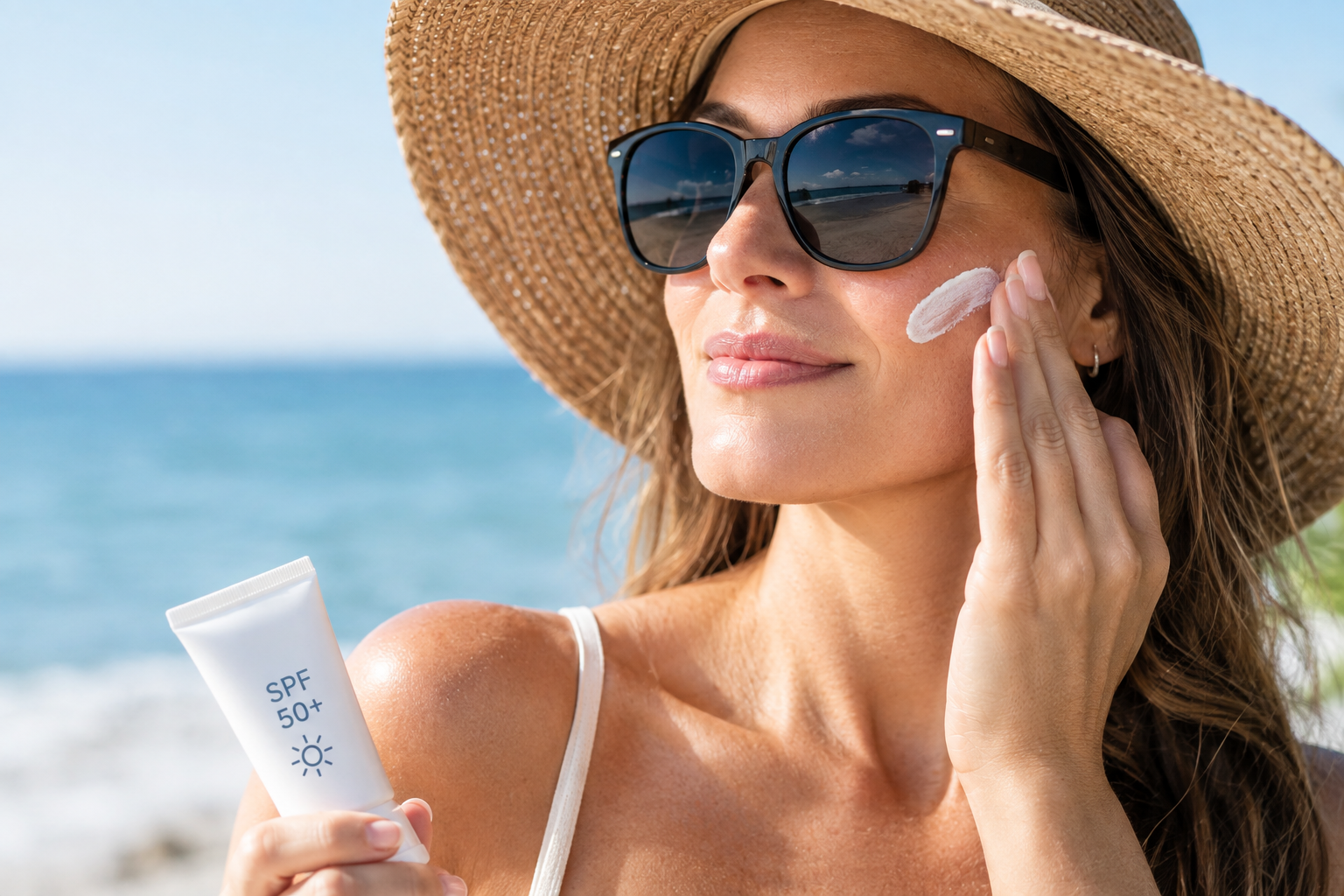
Quick answer: The best way to prevent new age spots is to protect your skin from UV light every day. That means broad spectrum sunscreen with SPF 30 or higher, shade and sun protective clothing, no tanning beds, and a skincare routine with antioxidants and a retinoid. Prevention slows new spots from forming, but it can't erase the ones you already have.
If you live in Florida, you already know the sun doesn't take days off. Age spots are basically a record of every hour your skin has spent in it, which is why prevention is a daily habit and not a one time fix. The good news is that small, consistent changes make a real difference.
Why Age Spots Form in the First Place
Age spots, also called sun spots or solar lentigines, appear when UV light signals your pigment cells to produce extra melanin in clusters. They show up most on the hands, face, chest, and shoulders because those areas get the most sun over a lifetime. Anything that cuts down UV exposure, or helps your skin handle the damage, lowers the odds of new spots forming.
7 Daily Habits to Prevent New Age Spots
1. Wear broad spectrum sunscreen every day
This is the single biggest thing you can do. The American Academy of Dermatology recommends a broad spectrum, water resistant sunscreen with SPF 30 or higher. Reapply every two hours outdoors and right after swimming or sweating. Don't forget the backs of your hands, your neck, and your chest, since those are the spots people tend to miss.
2. Skip the midday sun when you can
UV is strongest from about 10 a.m. to 4 p.m. If you can schedule your walk, run, or beach time earlier or later, your skin gets a lot less exposure without you changing much else.
3. Cover up
A wide brim hat, UV protective sunglasses, and lightweight long sleeves are sunscreen you can't sweat off. Clothing labeled with a UPF rating is even better for long days outside.
4. Stay away from tanning beds
Indoor tanning delivers concentrated UV on top of whatever you get outdoors. It speeds up sun spots, and it raises skin cancer risk too.
5. Use a vitamin C serum in the morning
Antioxidants like vitamin C help your skin deal with some of the oxidative stress UV causes. Apply it under your sunscreen. It's a helpful extra, but it doesn't replace sunscreen.
6. Add a retinoid at night
Retinoids speed up cell turnover, which helps keep pigment from building up on the surface. They also make skin more sun sensitive, so they work best when paired with daily sunscreen. If you're new to retinoids, a provider can help you pick a strength that won't irritate your skin.
7. Treat spots early and keep them protected
Sun exposure makes existing spots darker, and darker spots are harder to treat. Starting a brightening routine or professional treatment sooner, while staying strict about sun protection, gives you better results.
When a Brown Spot Needs More Than Prevention
Not every flat brown spot is an age spot. A spot that's changing in size, shape, or color, has an uneven border, or looks like it has more than one shade should be checked by a provider before you treat it cosmetically. My Skin offers a full body skin exam if you'd like all your spots looked at in one visit.
Already Have Age Spots?
Prevention keeps new ones from forming, but it won't fade the ones you already have. For topical options, peels, and laser treatments, take a look at My Skin's full guide: Age Spots: Causes, Prevention, and Effective Treatments.
Leah Michel, APRN, FNP-BC, a board certified nurse practitioner and master aesthetic injector, evaluates each spot first and then builds a plan around your skin and your goals, at both the St. Petersburg and Bradenton offices.
Frequently Asked Questions
Can you prevent age spots completely?
Not always. Genetics and the sun exposure you've already had play a role. But consistent sun protection greatly lowers how many new spots you get and how dark they become.
What SPF is best for preventing age spots?
Broad spectrum SPF 30 or higher is the standard recommendation, and the most important part is using enough of it and reapplying regularly.
Does sunscreen prevent age spots on the hands?
Yes, but only if you actually put it on your hands and reapply after washing them. Hands are one of the most common places for age spots to show up, and one of the most overlooked.
Do I need sunscreen on cloudy days or indoors?
On cloudy days, yes, since a large share of UV passes through clouds. Indoors, it matters most if you sit near windows for long stretches.
Will vitamin C or retinol remove age spots I already have?
They can help lighten them gradually and keep new ones from darkening, but stubborn spots usually respond faster to in office treatment.
This blog is for educational purposes only and is not a substitute for professional medical advice. Individual results vary. Always consult a licensed medical provider to evaluate any changing or concerning skin spot.


