
Herpes on Lips: Early Signs and Treatment | My Skin
Herpes on Lips: Early Signs, Treatment, and Why You Should Never Feel Embarrassed
Quick answer: Herpes on the lips, also called a cold sore or fever blister, usually starts with tingling, itching, or burning on or near the lip a day or two before a blister appears. It's caused by the herpes simplex virus, it's very common, and there's no cure, but prescription antiviral medicine can shorten or prevent outbreaks, and it works best when started early. A dermatology provider can confirm what you're dealing with and build a plan.
If you just felt a strange tingle on your lip and your first thought was to Google it at midnight and tell no one, you're in good company. Cold sores are one of the most common skin issues there is, and they come with a lot of unnecessary shame. Let's go through what the beginning stage looks like, what to do about it, and why getting it looked at is no big deal.
What Does Herpes on the Lips Look Like at the Beginning?
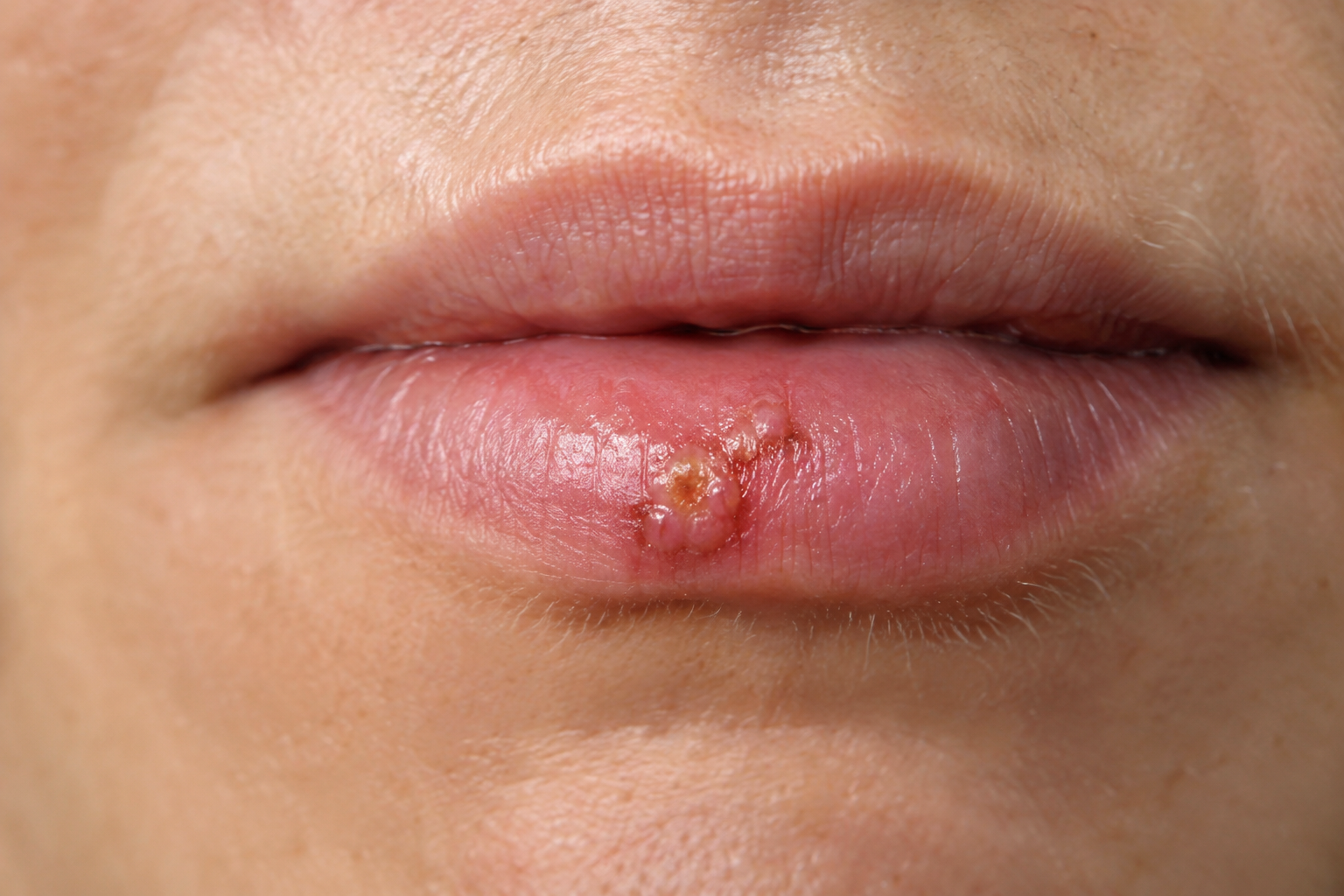
Most outbreaks follow a pattern, and knowing it helps you catch one early.
Tingle stage (day 1 to 2). Many people feel tingling, itching, burning, or tightness on or near the lip before anything is visible. This is the best moment to start treatment.
Blister stage. Small, fluid filled blisters appear, often in a cluster on the edge of the lip or just outside it. The area can look red and feel tender.
Weeping stage. The blisters break open and leak. This is when the sore is most contagious.
Crusting stage. A yellowish or brown scab forms over the sore.
Healing stage. The scab falls off and the skin heals, typically within one to two weeks.
Not every outbreak looks the same, and some people only ever get a mild tingle. That's why it can be tricky to tell a cold sore from other things, like a pimple, irritation, or a skin infection.
What to Do When You Feel One Coming On
Don't wait it out if you want faster relief. Prescription antiviral medicine tends to work best when started at the first tingle, so reaching out early matters.
Keep your hands off it. Touching, picking, or popping a blister can spread the virus to other skin and slow healing.
Avoid kissing and sharing items. Skip shared drinks, utensils, lip balm, and towels while you have symptoms.
Wash your hands. Do it every time after touching the area.
My Skin has a detailed guide on cold sores and oral herpes if you want the full breakdown of causes, triggers, and how it spreads.
When to See a Dermatology Provider
Plenty of cold sores heal on their own, but it's worth being seen if:
You're not sure it's a cold sore
Outbreaks keep coming back or are getting worse
The sore is large, very painful, or hasn't healed after two weeks
It's near your eyes, or you have vision changes or eye pain
You have a weakened immune system
You'd just like a clear answer and a treatment plan
Several conditions can look alike, including other infections, irritation, and inflammatory skin problems. An in person exam is the most reliable way to know which one you have.
You Are Not Alone, and It Is Not a Hygiene Problem
According to the CDC, most people with oral herpes have no symptoms, and most pick it up in childhood or young adulthood through everyday, non sexual contact like saliva. Medicine can prevent or shorten outbreaks, and the virus can be passed on even when no sore is visible. In other words, having herpes says nothing about how clean you are or how many partners you've had. It's just a very common virus.
Our providers see this every day. There's nothing you can show or tell us that we haven't heard before, and nobody is judging you for asking.
Sensitive Skin Concerns My Skin Treats, Without the Awkwardness
Cold sores are only one of several skin conditions people put off getting checked because they feel embarrassing. Many people, men especially, wait far longer than they should because they'd rather not bring it up. Waiting rarely makes these things go away, and it can make some of them harder to treat. At My Skin, Leah Michel, APRN, FNP-BC treat:
Herpes (oral and genital)
Yeast infections of the skin
Psoriasis in the groin and genital area
Genital warts
A lot of these can look alike, which is exactly why guessing at home, or treating with leftover creams, often backfires. A trained provider can tell them apart quickly and get you on the right plan.
What Your Visit Is Like
Appointments are calm, respectful, and to the point. Leah will ask about your symptoms, take a look, explain what she think is going on in plain language, and talk through treatment. If anything additional, like testing or follow up care, is appropriate, she'll walk you through it. Your health information is protected by patient privacy laws. You can see more of what My Skin treats on the medical dermatology page.
Frequently Asked Questions
What does herpes on the lips look like at the beginning?
It usually starts as tingling, itching, or burning on or near the lip, followed within a day or two by small fluid filled blisters. The area may look red and feel tender before any blisters show up.
Is a cold sore the same as herpes?
Yes. Cold sores and fever blisters are caused by the herpes simplex virus, most often HSV-1. It's a common virus, and many people carry it without ever knowing.
Can herpes on the lips be cured?
No, there's no cure. But prescription antiviral medicine can shorten outbreaks and make them less frequent, and treatment works best when started early.
How long does a cold sore last?
Most heal within one to two weeks. If one lasts longer, keeps returning, or looks unusual, it's worth being evaluated.
Can you spread herpes without having a sore?
Yes. The CDC notes that the virus can be passed on even when no sore is visible, though the risk is highest when sores are present.
Should I be embarrassed to see a dermatology provider about a genital or groin skin problem?
No. These conditions are common, and providers treat them every day. Getting an accurate diagnosis early is the quickest way to feel better.
How can I tell groin psoriasis from a yeast infection or herpes?
They can look similar, which is why it's hard to tell on your own. A provider can examine the area and tell the difference, since each one is treated differently.
This blog is for educational purposes only and is not a substitute for professional medical advice, diagnosis, or treatment. Individual results vary. If you have severe symptoms, eye pain, or vision changes, seek care right away.


